



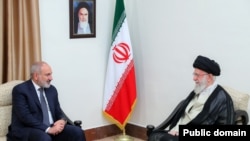
“We are following the developments around Iran with great concern,” Prime Minister Nikol Pashinian said in a letter to Iranian President Masoud Pezeshkian. “Please accept my condolences in connection with casualties among the leadership and citizens of the Islamic Republic of Iran. We will always remember the personal role of the Supreme Leader of the Islamic Revolution, Ali Khamenei, in the development of Armenia-Iran relations.”
“At this difficult time, we cherish hope for the speedy establishment of peace and stability in the Middle East,” added Pashinian, who has repeatedly met with Khamenei during his visits to Tehran.
Foreign Minister Ararat Mirzoyan echoed the condolences in a phone call with his Iranian counterpart Abbas Araghchi. The Armenian Foreign Ministry said he also stressed“the “importance of reducing tensions and reaching a peaceful resolution” to the escalating conflict.
According to the Iranian Embassy in Yerevan, Mirzoyan also expressed Yerevan’s readiness to send humanitarian aid to the Islamic Republic.
In an X post, the embassy also quoted Araghchi as saying: “Iran is ready to continue self-defense for as long as necessary and to avenge the blood of its martyred leader.”
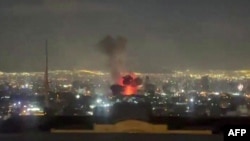
The Armenian leaders remained careful not to condemn the U.S.-Israeli military campaign that began on Saturday morning. Armenian opposition leaders have criticized Yerevan for waiting for over 24 to officially react to the outbreak of the war which could have far-reaching implications for Armenia’s security and future.
In the months leading up to the war, Iranian officials, notably Khamenei’s top foreign policy aide, voiced serious concern at the Armenian government’s plans to open a U.S.-administered transit corridor for Azerbaijan that would run along the Armenian-Iranian border. Tehran fears that the planned Trump Route for International Peace and Prosperity could lead to U.S. security presence there. Yerevan has sought to allay its fears.
Iran has for decades been one of landlocked Armenia’s two conduits to the outside world. Passenger and cargo traffic through the border between the two countries resumed Monday afternoon after a 24-hour closure.
Two Armenian TV channels reported from the border crossing that there have been no signs of large numbers of Iranians fleeing to Armenia because of the fighting. Reports aired by them also showed residents of the Armenian border town of Agarak continuing to cross into Iran to buy cheaper goods sold there.
“We went shopping as usual,” one of them told the regional Syunik TV channel.
“All shops across the border are open,” said another Armenian woman.
Also, Yerevan has so far not urged Armenian nationals to leave Iran. It has only advised Armenians in the Islamic Republic as well as Israel and Gulf Arab states to take security precautions. The weekend cancellation of flights carried out to and from those nations left scores of Armenian travelers stranded in the United Arab Emirates.