Az ukrán hadsereg rendszerszintű problémáira utal az elit dandár csődje
Az ukrán hadsereg rendszerszintű problémáira utal az elit dandár csődje
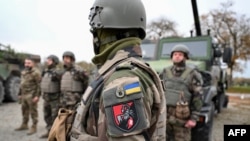
Az ukrán hadsereg 155. különleges gépesített dandárja egy franciaországi gyakorlaton
Az ukrán hadsereg modernizált élharcosának kellett volna lennie, amelyet nyugati fegyverekkel láttak el, francia kiképzők nyugati taktikákra tanítottak és arra készítettek fel, hogy a nagyobb orosz hadsereggel is szembeszálljon a fronton. Ez azonban nem így történt.
Ehelyett az ukrán hadsereg 155. különálló gépesített dandárját dezertálások, gyanúsítgatások, valamint most már éles nyilvános kritikák sújtják, amelyek alkalmatlansággal vádolják a vezetőket. Múlt hónapban hirtelen leváltották a dandár parancsnokát, közvetlenül azután, hogy az egység visszatért a franciaországi kiképzésről. Ukrajna vezető bűnüldöző szerve jelenleg is vizsgálja azokat a jelentéseket, amelyek szerint több tucat, esetleg több száz katona eltűnt, vagyis engedély nélkül hagyta el az alakulatot.
A 155. dandár körüli problémák Ukrajna számára különösen nehéz időszakban kerültek nyilvánosságra: amikor a lakosság és a hadsereg is kimerült a csaknem három éve tartó háborúban.
A kiszivárgott problémák rávilágítanak azokra a szélesebb körű gondokra, amelyek hónapok, sőt évek óta gyötrik az ukrán hadsereget – és amelyek szakértők szerint akadályozták annak képességét, hogy hatékony védelmet vagy támadást indítson a nagyobb, jobban felszerelt orosz sereg ellen.
„A kiképzés, amit elképzeltem a háború harmadik évében, amilyennek lennie kellett volna, nem történt meg – mondta a Szabad Európa ukrán szolgálatának egy hadnagy, aki jelenleg engedély nélküli szabadságon van a dandártól. – Nem tudom, mit kellene tennem. Nem vagyok hajlandó feladni és nem vagyok hajlandó parancsokat végrehajtani kiképzetlen emberekkel. Ráadásul én magam is képzetlen vagyok. Harmincvalahány embernek parancsolok. Nem állok készen arra, hogy kockáztassam az életüket. (…) Franciaországban semmit sem tanítottak meg nekem” – mondta a tiszt, aki névtelenséget kérve nyilatkozott, mivel a hadsereg nyilvános bírálata büntetőjogi felelősségre vonással járhat.
Szerinte a dandár legalább ötvenkilenc katonája hagyta el engedély nélkül a Franciaországban lévő kiképzőterületet. Ezt a számot erősítette meg Jurij Butuszov, egy népszerű ukrán haditudósító is, aki „teljes szervezeti káoszként” jellemezte a dandárt. Egy interjúban azt mondta, hogy a dandár kiképzésével és felállításával kapcsolatos döntések inkább politikai természetűek voltak. „Egyszerűen nincs értelme olyan dandárokat létrehozni, amelyek nincsenek teljesen feltöltve, és amelyeknek egyáltalán nincs idejük a kiképzésre, ahogy látjuk – mondta a Szabad Európa ukrán szolgálatának. – Ha azt mondjuk, hogy szükségünk van egy új dandárra, az legalább egy évet igényel. Az egyéni kiképzésen kívül sok szinten kell biztosítanunk a vezetést.”
Elkerülhetetlen káosz?
A nyugati szövetségesek dollármilliárdokat öltek az ukrán hadsereg felszerelésébe, modern technológiával látva el őket, hogy felvehessék a harcot a nagyobb, több fegyverrel rendelkező orosz hadsereggel szemben. Arra is törekedtek, hogy átképezzék az ukrán fegyveres alakulatokat, elmozdítva őket attól a doktrínától és taktikától, amelyet a szovjet kiképzésű, idősebb tiszti kar alkalmazott, és bevezetve a NATO-stílusú gondolkodást, például az összfegyvernemi hadviselést, valamint a kisebb dandárok előnyben részesítését a nagyobb hadosztályokkal szemben.
Azonban a fegyverzeten kívül Ukrajnának egy nagyobb problémával is szembe kellett néznie: az emberi erőforrással. Kritikusok Ukrajnán belül és kívül is azt panaszolták, hogy az ukrán hatóságok nem hoztak létre fenntartható toborzási, mozgósítási és kiképzési rendszert, hogy feltöltsék a kimerült egységeket.
Az ukrán vezetés több új dandárt hozott létre, néhányat Németországba küldtek kiképzésre. Egy másik egységet tavaly Franciaországban állítottak fel nagy hírveréssel: a 155. külön gépesített dandárt Kijevi Anna dandárnak nevezték el a XI. századi kijevi hercegnőről, aki később Franciaország királynője lett. Emmanuel Macron francia elnök júniusban, a második világháborús normandiai partraszállás évfordulójának ünnepségein jelentette be a létrehozását.
Két hónappal később körülbelül kétezer ukrán katonát – ami a szokásos NATO-dandár méretének körülbelül a fele – küldtek Franciaországba kiképzésre, ami magában foglalta a fejlett francia fegyverrendszerek oktatást. Macron később, októberben nagy médiafigyelem mellett látogatta meg az egységet.
Amikor a 155. dandár november végén elkezdett visszatérni Ukrajnába, az ukrán csapatok már hónapok óta küzdöttek, hogy megállítsák az egyre erősödő orosz offenzívát a körülbelül ezeregyszáz kilométeres frontvonal több pontján.
December 12-én leváltották a dandár parancsnokát, Dmitro Rjumsin ezredest, alig néhány nappal azelőtt, hogy az egység harcba vonult volna. Rjumsin menesztésének oka nem tisztázott, de a dandár Facebook-oldalán közleményt tett közzé, amelyben megköszönte az egység katonáinak „a hűséget és a szakmaiságot”.
Néhány nappal korábban Mariana Bezuhla képviselő bírálta a dandár létrehozásának módját, mondván, hogy más egységekből véletlenszerűen összevont katonákból áll, ami viszont a többi egységet gyengíti. „Bár a franciák igyekeztek az egységet specializálni, az ostoba katonai döntések szétszakították – írta a Facebookon. – A dandáron belül káosz uralkodik.”
Ehhez csatlakozott az állami korrupcióval foglalkozó aktivista és blogger, Szerhij Szternenko, aki korábban kapcsolatban állt egy szélsőjobboldali félkatonai csoporttal. „Miért hozunk létre egy új dandárt, amikor a meglévő dandárok kritikusan hiányosak, ha utána az új dandár embereit is szétszórják a régi dandárokba? Mi értelme van ennek? – írta az X-en (a korábbi Twitteren). – A franciák szemében súlyos csapás érte az imázsunkat, hiszen az egység egy részét Franciaországban képezték ki és szerelték fel. Ezenkívül ismét súlyos veszteségeket szenvedtünk. (…) Véget kell vetni ennek az őrültségnek, mielőtt teljesen aláássa a hadsereg ellenálló képességét.”
„Inkább dezertálok”
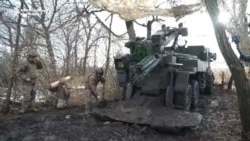
A jelentett szervezeti problémák ellenére a dandár részben bevetésre került Pokrovszk védelmében, egy olyan donbászi városban, amelyet az orosz csapatok bekerítése fenyeget. A jelentések szerint az egység német gyártmányú Leopard harckocsikat és francia tüzérséget használt.
Ám a dandár egy névtelenséget kérő hadnagya, aki az RFE/RL-nek nyilatkozott, azt mondta, hogy néhány felszerelés, amelyet kaptak, hibás volt – például az árkok és védművek ásására használt kotrógépek –, emellett a parancsokkal kapcsolatos problémákat is leírta. „Amikor visszatértünk Franciaországból, a dandár egy része már Pokrovszk közelében volt. (…) Ezután utasítást kaptunk, hogy álljunk át gyalogságra, és sokan dezertáltak. Néhány nappal később a Dnyipropetrovszki területre küldtek minket. Másnap azt a parancsot kaptuk, hogy egy, a frontvonaltól húsz kilométerre lévő településre menjünk. (…) A parancsnokom azt írta: Gyűjts össze kilenc embert. Holnap egy meghatározott helyre mentek. Megkérdeztem, mit kell ott csinálnunk. Azt válaszolta: Nem tudom. Vagyis a parancsnokok szakszerűtlenek, és nem képeztek ki embereket.”
A hadnagy elmondta, hogy néhány katona úgy gondolkodik: Inkább dezertálok. Ha elkapnak, előbb-utóbb kinyílik a börtönajtó, a koporsó fedelét viszont soha nem nyitják ki.
Nem megerősített jelentések szerint a dandár aránytalanul nagy veszteségeket szenvedett Pokrovszk védelmében, amit Butuszov is jelentős problémának nevezett. „A frontvonalon lévő 155. dandár katonáinak többsége igyekszik becsületesen teljesíteni a feladatát – írta december 31-i Facebook-posztjában. – De a katonák életéhez való bizonyos bűnös hozzáállás miatt a 155. dandár már a bevetés legelső napjaitól kezdve jelentős veszteségeket szenvedett.”
Fear And Hope As Battle For Ukraine’s Pokrovsk Looms
1/17A woman walks through a suburb of Pokrovsk in early December.
In the early days of the full-scale Russian invasion my colleagues and I had based ourselves in Pokrovsk, where cafes, restaurants, and shopping centers offered a respite from the front lines. Now we are watching it die. Since 2022, I’ve seen many cities overtaken by war. Some fall quickly and disappear from the headlines, others hold on to the bitter end: Syevyerodonetsk, Lysychansk, Soledar, and others familiar only to the military and journalists. Now Pokrovsk is on that list.
Russian forces have neared the outskirts of Pokrovsk, a strategically important transportation and logistics hub in Ukraine’s eastern Donetsk region. Once home to more than 60,000 people before Russia's full-scale invasion of Ukraine in February 2022, only a fraction of this population now remains in the embattled city. Photojournalist Serhiy Nuzhnenko recently visited Pokrovsk with a colleague from RFE/RL's Donbas.Realities and talked to some residents who are still living there.
2/17A woman rides past a cinema with a banner declaring “Pokrovsk -- the strength of the Cossack clan.”
A curfew is in place in Pokrovsk from three in the afternoon until 11 a.m. the next day. As soon as the curfew is lifted we park our car and walk through the city streets. Only a handful of people are out and about. In the background, artillery can be heard working to the south and east, where Russian forces are advancing from both directions.
Russian forces have neared the outskirts of Pokrovsk, a strategically important transportation and logistics hub in Ukraine’s eastern Donetsk region. Once home to more than 60,000 people before Russia's full-scale invasion of Ukraine in February 2022, only a fraction of this population now remains in the embattled city. Photojournalist Serhiy Nuzhnenko recently visited Pokrovsk with a colleague from RFE/RL's Donbas.Realities and talked to some residents who are still living there.
3/17Many shops here are closed and apparently abandoned. Svitlana Yaroslavovna (pictured) operates one that is still open, selling sweets, milk and sausage. “When it’s quiet, I get nervous. It feels like maybe the military are surrendering us. I hope they don’t,” she confides after making us coffee. “Because [the nearby settlements of] Novohrodivka and Selydove were both surrendered very quickly even though there were fortifications there. I’m not a soldier, but I wish they hadn’t allowed them to fall."
Russian forces have neared the outskirts of Pokrovsk, a strategically important transportation and logistics hub in Ukraine’s eastern Donetsk region. Once home to more than 60,000 people before Russia's full-scale invasion of Ukraine in February 2022, only a fraction of this population now remains in the embattled city. Photojournalist Serhiy Nuzhnenko recently visited Pokrovsk with a colleague from RFE/RL's Donbas.Realities and talked to some residents who are still living there.
4/17"Dragon's teeth" anti-tank obstacles in Pokrovsk.
Suppliers for Yaroslavovna's grocery shop still come every weekday, she tells us, but some drivers are afraid to come into the city center. “We meet them behind the bridge and transfer the products, then drive them in ourselves.”
If Russian troops keep pushing closer, Yaroslavovna says, “I’ll close the shop and flee with the dogs and cats that I’m looking after here. I definitely won’t live here under the Russians, if the front gets any closer. But for now, I’ll be here for as long as I can."
Russian forces have neared the outskirts of Pokrovsk, a strategically important transportation and logistics hub in Ukraine’s eastern Donetsk region. Once home to more than 60,000 people before Russia's full-scale invasion of Ukraine in February 2022, only a fraction of this population now remains in the embattled city. Photojournalist Serhiy Nuzhnenko recently visited Pokrovsk with a colleague from RFE/RL's Donbas.Realities and talked to some residents who are still living there.
5/17The city slowly comes to life as we continue walking, people are appearing, carrying water and food. A makeshift market is operating nearby. It feels almost like any normal winter morning in a provincial eastern town, only the booming of nearby explosions offers a constant reminder of the situation in Pokrovsk.
Russian forces have neared the outskirts of Pokrovsk, a strategically important transportation and logistics hub in Ukraine’s eastern Donetsk region. Once home to more than 60,000 people before Russia's full-scale invasion of Ukraine in February 2022, only a fraction of this population now remains in the embattled city. Photojournalist Serhiy Nuzhnenko recently visited Pokrovsk with a colleague from RFE/RL's Donbas.Realities and talked to some residents who are still living there.
6/17In some suburbs there is still electricity and gas, but central heating no longer operates in Pokrovsk. People warm their apartments with electric heaters or gas burners.
Russian forces have neared the outskirts of Pokrovsk, a strategically important transportation and logistics hub in Ukraine’s eastern Donetsk region. Once home to more than 60,000 people before Russia's full-scale invasion of Ukraine in February 2022, only a fraction of this population now remains in the embattled city. Photojournalist Serhiy Nuzhnenko recently visited Pokrovsk with a colleague from RFE/RL's Donbas.Realities and talked to some residents who are still living there.
7/17The still smoldering remains of a building in Pokrovsk that was wiped out by a Russian glide bomb.
Donetskoblhaz JSC, the company that supplies gas and electricity to Pokrovsk says it is becoming increasingly difficult for their repair crews to work amid frequent shelling. The company announced that, as of December 12, it would suspend gas supplies due to “the consequences of hostilities on the gas distribution system.”
Russian forces have neared the outskirts of Pokrovsk, a strategically important transportation and logistics hub in Ukraine’s eastern Donetsk region. Once home to more than 60,000 people before Russia's full-scale invasion of Ukraine in February 2022, only a fraction of this population now remains in the embattled city. Photojournalist Serhiy Nuzhnenko recently visited Pokrovsk with a colleague from RFE/RL's Donbas.Realities and talked to some residents who are still living there.
8/17A Pokrovsk resident collects water from one of a handful of supply points in the city.
One of the biggest challenges for Pokrovsk's residents is sourcing water. Locals say that Russian forces destroyed water pumping stations outside the city in August 2022, and since then most water has been sourced from tankers organized by local government and aid organizations.
Russian forces have neared the outskirts of Pokrovsk, a strategically important transportation and logistics hub in Ukraine’s eastern Donetsk region. Once home to more than 60,000 people before Russia's full-scale invasion of Ukraine in February 2022, only a fraction of this population now remains in the embattled city. Photojournalist Serhiy Nuzhnenko recently visited Pokrovsk with a colleague from RFE/RL's Donbas.Realities and talked to some residents who are still living there.
9/17Anton, who came to collect water on his day off.
The local man evacuated his family but has remained to work at a mine in Pokrovsk that was still in operation in early December. “I think everyone is considering leaving. Only those who are waiting [for a Russian takeover] are not," he says. "I hope [Ukraine's military] will drive them away, and we can continue to live here."
Russian forces have neared the outskirts of Pokrovsk, a strategically important transportation and logistics hub in Ukraine’s eastern Donetsk region. Once home to more than 60,000 people before Russia's full-scale invasion of Ukraine in February 2022, only a fraction of this population now remains in the embattled city. Photojournalist Serhiy Nuzhnenko recently visited Pokrovsk with a colleague from RFE/RL's Donbas.Realities and talked to some residents who are still living there.
10/17Vasyl, an elderly local crossing an empty street in Pokrovsk.
“My friends have gone to the Dnipropetrovsk region,” he tells us. “The poor are suffering everywhere. No one needs people. This is a fight for territory, not people. I am 81 years old. I think if [the Russians] restore order there will be heat, gas, and so on. I am being very frank, but, people will have one hell of a time surviving [until then].”
Russian forces have neared the outskirts of Pokrovsk, a strategically important transportation and logistics hub in Ukraine’s eastern Donetsk region. Once home to more than 60,000 people before Russia's full-scale invasion of Ukraine in February 2022, only a fraction of this population now remains in the embattled city. Photojournalist Serhiy Nuzhnenko recently visited Pokrovsk with a colleague from RFE/RL's Donbas.Realities and talked to some residents who are still living there.
11/17A printed sign announces “pharmacy working” in Pokrovsk.
Along with pharmacies, cafes, and a bookstore, the biggest surprise was an Apple Store that was still operating in early December. Though perhaps as I’m writing this it has already closed down.
Russian forces have neared the outskirts of Pokrovsk, a strategically important transportation and logistics hub in Ukraine’s eastern Donetsk region. Once home to more than 60,000 people before Russia's full-scale invasion of Ukraine in February 2022, only a fraction of this population now remains in the embattled city. Photojournalist Serhiy Nuzhnenko recently visited Pokrovsk with a colleague from RFE/RL's Donbas.Realities and talked to some residents who are still living there.
12/17Bells in the cathedral begin to ring, calling the faithful to prayer and momentarily drowning out the sounds of war. The bells frighten a flock of pigeons which flap into the air then settle on the Soviet-era apartment block whose windows are boarded up with chipboard.
Russian forces have neared the outskirts of Pokrovsk, a strategically important transportation and logistics hub in Ukraine’s eastern Donetsk region. Once home to more than 60,000 people before Russia's full-scale invasion of Ukraine in February 2022, only a fraction of this population now remains in the embattled city. Photojournalist Serhiy Nuzhnenko recently visited Pokrovsk with a colleague from RFE/RL's Donbas.Realities and talked to some residents who are still living there.
13/17A local woman walking her dog.
Even after covering the war for years, moments like this, showing hope for life amid destruction and death are always surprising. The animals seem to be accustomed to the backdrop of explosions and show no signs of fear.
Russian forces have neared the outskirts of Pokrovsk, a strategically important transportation and logistics hub in Ukraine’s eastern Donetsk region. Once home to more than 60,000 people before Russia's full-scale invasion of Ukraine in February 2022, only a fraction of this population now remains in the embattled city. Photojournalist Serhiy Nuzhnenko recently visited Pokrovsk with a colleague from RFE/RL's Donbas.Realities and talked to some residents who are still living there.
14/17"We live, we keep hoping,” Valentyna Vasylivna (pictured) tells us as she walks through her war-damaged city. “I have a pension of 2,700 hryvnias ($65) per month. Where would I go? My apartment walls keep me warm, this is my home.”
Russian forces have neared the outskirts of Pokrovsk, a strategically important transportation and logistics hub in Ukraine’s eastern Donetsk region. Once home to more than 60,000 people before Russia's full-scale invasion of Ukraine in February 2022, only a fraction of this population now remains in the embattled city. Photojournalist Serhiy Nuzhnenko recently visited Pokrovsk with a colleague from RFE/RL's Donbas.Realities and talked to some residents who are still living there.
15/17At Pokrovsk Railway Station the platforms are empty. This homeless man was trying to stay warm in a sleeping bag, and to get some sleep.
Russian forces have neared the outskirts of Pokrovsk, a strategically important transportation and logistics hub in Ukraine’s eastern Donetsk region. Once home to more than 60,000 people before Russia's full-scale invasion of Ukraine in February 2022, only a fraction of this population now remains in the embattled city. Photojournalist Serhiy Nuzhnenko recently visited Pokrovsk with a colleague from RFE/RL's Donbas.Realities and talked to some residents who are still living there.
16/17A man pushes a load of firewood. Behind him is the road towards Shevchenko, where Russian forces are currently advancing from the south.
Some civilians we spoke to told us of friends and neighbours who are returning to Pokrovsk despite the city's precarious situation. Some couldn't find work elsewhere and ran out of money; others couldn't get used to living away from their hometown. Many say the only state help that registered refugees receive is a payment of 11,000 hryvna, ($265) and those people who leave by their own means cannot even count on this.
Russian forces have neared the outskirts of Pokrovsk, a strategically important transportation and logistics hub in Ukraine’s eastern Donetsk region. Once home to more than 60,000 people before Russia's full-scale invasion of Ukraine in February 2022, only a fraction of this population now remains in the embattled city. Photojournalist Serhiy Nuzhnenko recently visited Pokrovsk with a colleague from RFE/RL's Donbas.Realities and talked to some residents who are still living there.
17/17A road sign for Pokrovsk on the outskirts of the city.
We leave Pokrovsk with heavy hearts. It seems likely we could return soon to the city to film street battles. We remember the words of shopkeeper Svitlana Yaroslavovna: "I hold on to my faith in God, and the armed forces of Ukraine, this is where I place my hope."
Russian forces have neared the outskirts of Pokrovsk, a strategically important transportation and logistics hub in Ukraine’s eastern Donetsk region. Once home to more than 60,000 people before Russia's full-scale invasion of Ukraine in February 2022, only a fraction of this population now remains in the embattled city. Photojournalist Serhiy Nuzhnenko recently visited Pokrovsk with a colleague from RFE/RL's Donbas.Realities and talked to some residents who are still living there.
Previous slide
Next slide
Egy másik dandárkatona, aki szintén névtelenséget kérve nyilatkozott, azt mondta, hogy Butuszov kritikája nagyrészt igaz, de hiányos. „A dandár felállításának helyzete még rosszabb volt, mint ahogy leírta.”
Az Állami Nyomozó Iroda, Ukrajna vezető bűnüldöző szerve megerősítette a Szabad Európa ukrán szolgálatának, hogy vizsgálatot folytat a katonák dezertálásával kapcsolatos jelentések miatt. A dandár sajtótisztje nem kívánt nyilatkozni.
Amikor a dandár problémáiról kérdezték, a francia elnöki hivatal a francia védelmi minisztériumhoz irányította a kérdezőt. „Az Ukrán Fegyveres Erők szervezték a katonák kiválasztását a dandár megalakításához és a folyamatok irányításához – közölte a minisztérium. – Továbbá (…) az Ukrán Fegyveres Erők határozzák meg a dandár ukrajnai bevetésének feltételeit.”






![Many shops here are closed and apparently abandoned. Svitlana Yaroslavovna (pictured) operates one that is still open, selling sweets, milk and sausage. “When it’s quiet, I get nervous. It feels like maybe the military are surrendering us. I hope they don’t,” she confides after making us coffee. “Because [the nearby settlements of] Novohrodivka and Selydove were both surrendered very quickly even though there were fortifications there. I’m not a soldier, but I wish they hadn’t allowed them to fall." ](https://gdb.rferl.org/07682f19-0cca-4699-bb49-de631d02fd62_w1024_q10_s.jpg)


![Anton, who came to collect water on his day off.<br />
<br />
The local man evacuated his family but has remained to work at a mine in Pokrovsk that was still in operation in early December. “I think everyone is considering leaving. Only those who are waiting [for a Russian takeover] are not," he says. "I hope [Ukraine's military] will drive them away, and we can continue to live here."](https://gdb.rferl.org/55cfa829-1dc1-446b-ad5b-7f77dc02716d_w1024_q10_s.jpg)
![Vasyl, an elderly local crossing an empty street in Pokrovsk.<br />
<br />
“My friends have gone to the Dnipropetrovsk region,” he tells us. “The poor are suffering everywhere. No one needs people. This is a fight for territory, not people. I am 81 years old. I think if [the Russians] restore order there will be heat, gas, and so on. I am being very frank, but, people will have one hell of a time surviving [until then].” ](https://gdb.rferl.org/8610c9a8-c9a7-426e-9426-334a2bc9176d_w1024_q10_s.jpg)


